
The Football Fan’s Guide to the 2026 World Cup
The 2026 football world cup will be FIFA’s first 48-team tournament, staged across Canada, Mexico, and the United States from June 11 to July 19, FIFA has scheduled 104 matches across 16 host cities,....
The Football Fan’s Guide to the 2026 World Cup
The 2026 football world cup will be FIFA’s first 48-team tournament, staged across Canada, Mexico, and the United States from June 11 to July 19, 2026. FIFA has scheduled 104 matches across 16 host cities, with the final at MetLife Stadium in East Rutherford, New Jersey, while Los Angeles will host eight matches at SoFi Stadium and Atlanta will stage a semifinal at Mercedes-Benz Stadium. World Cup Hub will track fixtures, team tactics, player statistics, match predictions, and responsible betting angles throughout the competition. The expanded format creates 12 groups of four, followed by a round of 32, increasing both the total match volume and the number of potential pricing mistakes in betting markets. The practical takeaway is simple: build your tournament calendar early, compare lineups and travel conditions, and judge every wager by expected value rather than national-team hype.

Photo by El gringo photo on Pexels
Before 2025: how the football world cup worked
Before 2025, the FIFA World Cup operated under a familiar 32-team structure that had been used since France 1998. Eight groups of four teams produced 48 group-stage matches, and the top two teams from each group advanced to a round of 16, creating a relatively compact tournament with 64 matches overall. That format rewarded depth, but it also made every dropped point in the group stage feel like a minor national emergency—because, frankly, fans are wonderfully dramatic creatures.
The 32-team model also shaped how analysts assessed probability. A favorite generally needed three group matches, one round-of-16 match, a quarterfinal, a semifinal, and a final to win the trophy. That meant seven matches for the champion, while the tournament calendar remained concentrated in one country or a tightly connected regional area. The Fédération Internationale de Football Association (FIFA) has described the 2026 competition as a major expansion of global participation, but the tactical and financial consequences are more important than the marketing language.
For bettors, the old structure created a fairly stable market rhythm:
- Group-stage prices were influenced heavily by historical rankings and squad reputation.
- Knockout markets became more efficient as public information accumulated.
- Travel, climate, and recovery were usually less significant than they will be in 2026.
- A strong team’s path to the final was easier to model because there were fewer fixtures and fewer possible opponents.
The crucial point is that the old format was not merely a scheduling choice. It was an information system. Fewer games meant fewer data points, fewer rotations, and less opportunity for bettors to identify fatigue, defensive instability, or matchup-specific weaknesses. A team could look excellent across three group matches and still provide very little evidence about how it would cope with a different opponent in the knockout phase.
[Internal Link: historical FIFA World Cup formats and tournament analysis]
What was the 2026 shift in the football world cup?
The 2026 shift is the move from 32 teams and 64 matches to 48 teams and 104 matches, with 12 groups of four followed by a 32-team knockout bracket. FIFA’s three-country hosting model also introduces longer travel routes, varying climates, and different stadium environments across North America. These changes make the 2026 football world cup both larger and more difficult to price accurately.
The expansion was approved by the FIFA Council in 2017, and FIFA’s official competition overview confirms the central tournament details. The top two teams from each group will qualify for the knockout stage, joined by the eight best third-place teams. That qualification mechanism changes the mathematics of group play: a team may advance with a cautious approach, while another may need a high-risk victory on the final matchday.
The tournament’s geographic footprint is equally important. The 16 host cities are:
- Canada: Toronto and Vancouver.
- Mexico: Guadalajara, Mexico City, and Monterrey.
- United States: Atlanta, Boston, Dallas, Houston, Kansas City, Los Angeles, Miami, New York/New Jersey, Philadelphia, San Francisco Bay Area, and Seattle.
The opening match is scheduled for June 11 at Mexico City’s Estadio Azteca, a venue with enormous historical significance after hosting World Cup matches in 1970 and 1986. The United States men’s national team will begin its campaign on June 12 at SoFi Stadium in the Los Angeles area. The final will take place on July 19 at MetLife Stadium, while Atlanta is designated as a semifinal host.
This is where mainstream analysis often gets lazy. It treats “home advantage” as a single percentage, then throws the number into a spreadsheet and declares victory. In reality, home advantage in 2026 will vary by city, travel distance, kickoff time, altitude, humidity, and the percentage of supporters inside the stadium. Mexico City’s altitude is not the same problem as Miami’s humidity, and Seattle’s travel profile is not the same as Atlanta’s compact urban logistics.
Why does geography matter more in 2026?
Geography matters because the 2026 football world cup crosses three countries and several climate zones, creating different recovery demands for teams and players. A squad traveling between Mexico City, Vancouver, Miami, and New York/New Jersey may face substantial changes in altitude, temperature, humidity, and time zone within a single tournament. Those variables can influence pressing intensity, substitution timing, and late-match scoring.
Los Angeles will host eight World Cup matches at SoFi Stadium, including the United States opening match, and the region will operate official fan zones and a FIFA Fan Festival at the Los Angeles Memorial Coliseum. Atlanta, known for Mercedes-Benz Stadium and its established soccer culture, will host a semifinal and a major concentration of international visitors. These local events matter because matchday atmosphere can affect perceived home advantage, but they do not automatically translate into profitable betting value.
A practical travel model should track at least four inputs:
- Distance between the previous and next host cities.
- Rest days between matches.
- Local kickoff conditions, including heat and humidity.
- Whether the team has a large traveling supporter base.
The U.S. Travel Association has repeatedly highlighted the scale of major-event travel in the United States, but tournament visitors should not assume that every city will function identically. Los Angeles traffic can turn a short map distance into a long matchday problem, while Atlanta’s Mercedes-Benz Stadium benefits from a central location and extensive public-transit connections. If you are attending, book accommodation near a reliable transport corridor rather than choosing the cheapest room three suburbs away and discovering the truth at 5:30 p.m. (That is not a strategy; that is self-inflicted drama.)
Want a clearer planning framework for the tournament? Start with World Cup Hub’s daily tournament coverage.
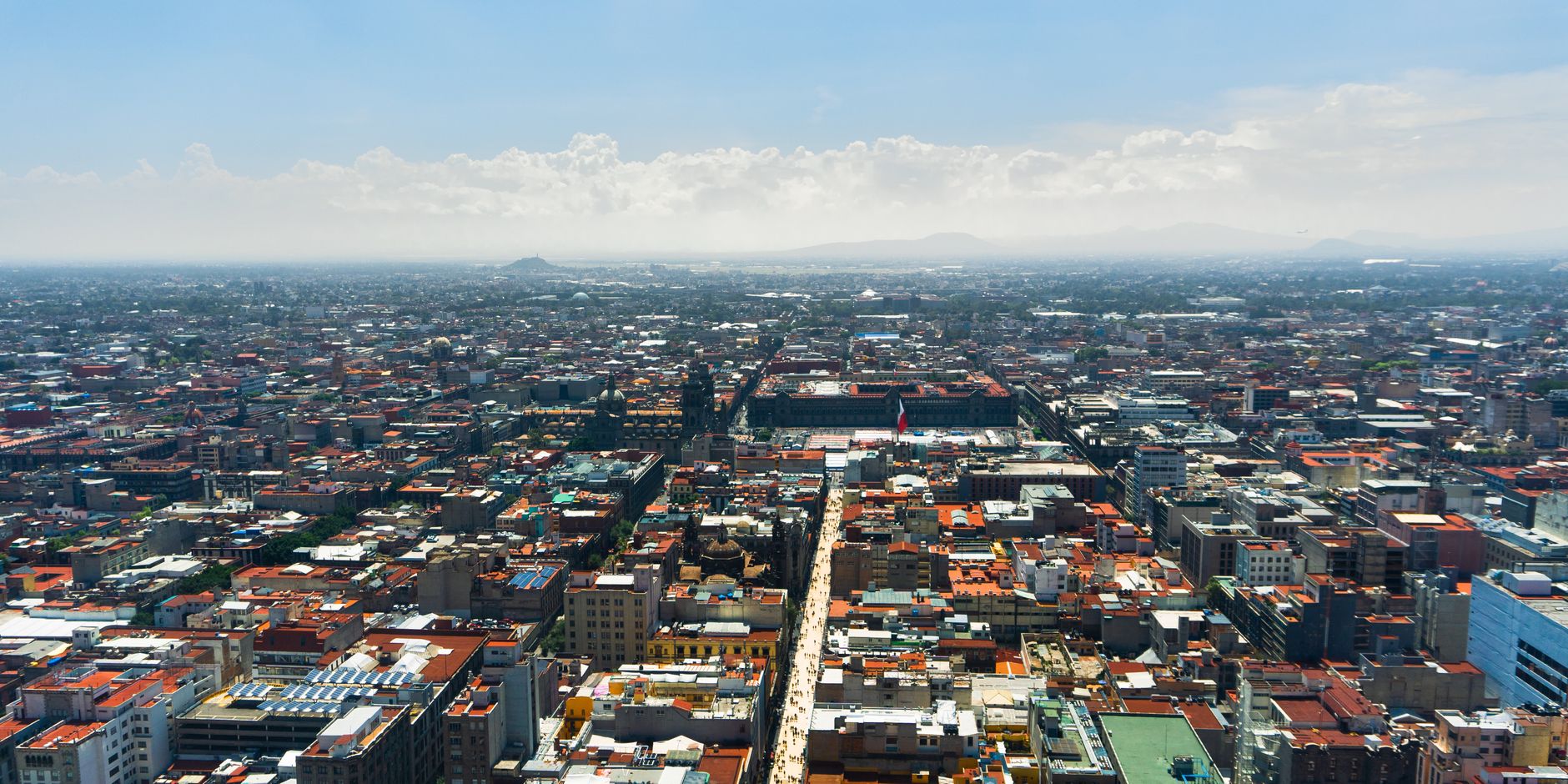
Photo by Heber Vazquez on Pexels
What changed for players, teams, and bettors?
The expanded 2026 football world cup changes player management because more matches create more opportunities for rotation, accumulated fatigue, and tactical adaptation. Teams that rely on 11 elite starters may be less resilient than squads with two competent options in central midfield, full-back, and center-forward positions. For bettors, this means confirmed lineups, substitution patterns, and rest intervals deserve more weight than broad FIFA rankings.
A tournament with 104 matches produces a much larger sample for identifying recurring tendencies. A team may begin with a conservative 4-3-3, then shift to a back three when protecting a lead, while another side may use aggressive full-backs against weaker opponents but retreat against elite transition teams. These details can produce more useful information than a headline such as “Team X has won four of its last five.”
World Cup Hub’s player-statistics approach should be particularly valuable here. Analysts should examine:
- Progressive passes and carries rather than possession alone.
- Pressures in the final third and defensive recoveries.
- Set-piece shots conceded and expected goals from dead-ball situations.
- Minutes played in the previous two matches.
- Substitution timing after the 60th minute.
- Performance against low blocks, high presses, and direct counterattacks.
The International Football Association Board remains the authority for the Laws of the Game, including regulations affecting match conduct and officiating. A short official explanation states that “the referee has the authority to take disciplinary action,” a reminder that cards and stoppage time are not random decorations on the match report. Referee tendencies, disciplinary history, and video assistant referee decisions can materially influence totals and player-card markets, especially when a match has high elimination pressure.
The first information gain many casual previews miss is the importance of third-place qualification. In a 12-group structure, a team can advance without finishing second, but the comparison among third-place teams may make goal difference and goals scored more valuable than fans expect. A late 2-0 victory may therefore carry more strategic value than a 1-0 win, while a reckless final-minute concession can eliminate a team that appeared safely qualified.
The second overlooked factor is the interaction between squad depth and market timing. Opening prices may be posted before a coach reveals whether a key midfielder is being managed after a minor injury. A bettor who waits for the lineup can lose the best number, but betting blindly several days early means accepting avoidable uncertainty. The rational approach is to separate prediction from execution: estimate a fair price early, then decide whether the confirmed lineup improves or damages the expected value.
[Internal Link: World Cup team tactics and player-statistics guide]
What does the 2026 football world cup mean for match predictions?
The 2026 football world cup means match predictions must combine team strength with context-specific variables such as travel, climate, rest, tactical matchup, and lineup availability. A prediction should not simply name a winner; it should estimate probabilities for the match result, goals, cards, and qualification scenario. The best forecast is therefore a process, not a dramatic social-media verdict.
A disciplined model can begin with a power rating, then adjust it through transparent variables:
- Baseline team rating: 40 percent of the model.
- Recent performance and opponent quality: 20 percent.
- Confirmed squad availability: 15 percent.
- Tactical matchup: 15 percent.
- Travel, climate, rest, and venue effects: 10 percent.
These percentages are a practical framework, not an official FIFA formula. Their purpose is to stop one noisy factor from dominating the entire forecast. Argentina’s reputation, France’s tournament experience, Brazil’s attacking talent, England’s squad depth, Spain’s possession structure, and Germany’s historical profile may all matter, but none should override current evidence.
A useful prediction also distinguishes between probability and price. If your estimated probability for a team is 55 percent, the fair decimal price is approximately 1.82 before margin and uncertainty. A bookmaker offering 1.70 may still be correct about the likely winner while offering poor value. Conversely, a less fashionable team priced at 3.20 may be worth consideration if your model gives it a 35 percent chance, because the implied fair price is about 2.86.
This is where turnover and net position matter. A bettor who records only wins and losses is measuring emotion, not performance. Track stake, quoted odds, closing odds, gross return, rebates, fees, and net result by market. If you place $100 at 2.10, your gross possible return is $210, but your actual profit is $110 before any rebate or tax; confuse those figures and your spreadsheet is already lying to you.
Responsible gambling must remain part of the analytical process. Set a fixed bankroll, use a consistent stake method, and never increase exposure merely because a high-profile match feels “too important to miss.” The National Council on Problem Gambling provides public resources on safer gambling practices, and its guidance supports limits, self-monitoring, and seeking help when betting stops feeling controlled.
See how analytical match preparation can improve your tournament routine.

Photo by Murat Ak on Pexels
What are the most important 2026 World Cup host-city insights?
The most important host-city insight is that the 2026 World Cup is not one uniform event: Los Angeles, Atlanta, Mexico City, and New York/New Jersey offer different stadium conditions, transport systems, weather profiles, and fan cultures. Los Angeles provides eight matches and a 39-day celebration program, Atlanta hosts a semifinal at Mercedes-Benz Stadium, and MetLife Stadium stages the final. Visitors should plan by city rather than by tournament brand alone.
Los Angeles is likely to attract enormous international interest because SoFi Stadium will host the United States opening match and seven additional fixtures. The Los Angeles Memorial Coliseum is scheduled to host a FIFA Fan Festival from June 11–14, with live matches, food, music, and fan programming. Official fan zones across Los Angeles County will extend the experience beyond the stadium, but supporters should expect heavy demand for hotels, rideshare services, and public transportation.
Atlanta offers a different proposition. Mercedes-Benz Stadium is a retractable-roof venue with a strong Atlanta United supporter culture, and the city’s “soccer city of the South” positioning is backed by an established matchgoing audience rather than a temporary advertising slogan. A semifinal brings exceptional demand, so accommodation and transport should be booked with the match date, not merely the city, in mind.
New York/New Jersey carries the tournament’s ultimate stage: the final at MetLife Stadium on July 19. The venue’s location near major transport links makes it accessible, but regional congestion and high accommodation demand could produce significant price increases. Anyone planning to attend should compare total trip cost, including rail, airport transfers, hotel taxes, meals, and ticket-related fees—not just the headline ticket number.
A simple planning checklist can prevent expensive mistakes:
- Confirm the match city and stadium before booking non-refundable travel.
- Compare official FIFA information with local host-city guidance.
- Allow additional transfer time on matchday.
- Verify ticket terms, resale rules, and identity requirements.
- Keep a reserve budget for transport disruption and schedule changes.
- Use official fan festivals when stadium tickets are unavailable.
The contrarian conclusion is that the best fan experience may not always be inside the stadium. A high-quality official fan zone in Los Angeles or Atlanta can offer live coverage, local food, music, and community atmosphere at a lower total cost than a last-minute ticket package. The stadium remains the ultimate physical experience, obviously, but paying a fortune to sit behind a pillar while spending two hours in traffic is not automatically superior.
[Internal Link: 2026 World Cup host cities, stadiums, and travel planning]
What are three predictions for the next quarter?
The three most reasonable predictions for the next quarter are that squad news will move markets, host-city demand will increase, and tactical data will become more valuable than historical reputation. These are not claims about the eventual champion; they are forecasts about how the 2026 football world cup information environment will develop before the tournament begins. Anyone treating an early favorite as a guaranteed winner is donating confidence to the market.
First, player availability will become a larger pricing factor as national teams publish camps, injuries, and provisional selections. A missing goalkeeper or holding midfielder can change a team’s defensive structure more than a missing winger, particularly against opponents that attack through central zones. Track expected starters, minutes restrictions, and replacement quality rather than counting famous names.
Second, accommodation and event pricing in Los Angeles, Atlanta, Mexico City, and New York/New Jersey will likely rise around confirmed fixtures and high-profile national teams. Demand is not evenly distributed across all 39 days of the tournament. Fans should compare cancellation policies and use official tournament announcements before committing cash, because the cheapest apparent booking may become expensive if transport or match assignments change.
Third, betting markets will gradually become more efficient on headline outcomes but may remain softer in derivative markets. Match winners attract enormous public attention, while cards, corners, player shots, and first-half totals can require more specialized information. That does not mean every niche market is profitable; it means the bettor must test closing-line performance, maintain records, and reject markets where the bookmaker margin overwhelms the analytical edge.
A quarterly research routine could look like this:
- Update team ratings after every international window.
- Log injuries and probable replacements.
- Record travel distance and rest days for each host-city path.
- Compare opening prices with closing prices.
- Separate entertainment bets from value bets.
- Review net position weekly, including rebates and fees.
Want to follow the tournament’s developing intelligence without drowning in noise? World Cup Hub combines match predictions, tactical breakdowns, player stats, and daily 2026 coverage in one place.
How should fans prepare for the 2026 football world cup now?
Fans should prepare for the 2026 football world cup by separating logistics, football research, and spending limits into three different plans. The tournament runs from June 11 to July 19, spans 16 host cities, and contains 104 matches, so improvisation will become costly once popular fixtures and hotels sell quickly. Preparation does not require predicting the champion; it requires knowing what information you need and when you need it.
For travel, shortlist cities according to your preferred teams, budget, and tolerance for long transfers. For football analysis, build a simple dashboard covering injuries, expected lineups, tactical shape, set-piece performance, and recent opposition quality. For betting, define a maximum tournament bankroll before the opening match, then use fixed or proportionate stakes rather than emotional escalation after a loss.
World Cup Hub can serve as a research companion, but it should not replace independent judgment. Compare predictions with official FIFA schedules, federation announcements, reputable statistical databases, and confirmed team news. The FIFA World Cup 2026 official site is the primary source for competition updates, while local host-city sites such as Los Angeles and Atlanta provide venue-specific information.
The tournament’s greatest analytical opportunity is not a secret team or a magical betting system. It is disciplined updating. A forecast created six months before kickoff should not carry the same confidence as one built after final squads, training reports, weather data, and lineups are confirmed. Revise your assumptions openly, record why they changed, and measure results against the closing market rather than against one lucky outcome.
After the conclusion, World Cup Hub will continue covering tournament lessons, player performance, tactical trends, and future international competitions. The final recommendation is to begin with a calendar, a budget, and a repeatable evidence checklist. Passion belongs in the stands; decision-making belongs in the spreadsheet.
Ready to follow every major development as the tournament approaches?

Photo by Derek French on Pexels
Frequently Asked Questions
Q: What is the 2026 football world cup?
A: The 2026 football world cup is FIFA’s expanded men’s international tournament featuring 48 teams across Canada, Mexico, and the United States. It will run from June 11 to July 19, 2026, with 104 matches scheduled across 16 host cities. The format includes 12 groups of four teams, followed by a round of 32 involving the top two teams from each group and the eight best third-place teams. The final will be played at MetLife Stadium in East Rutherford, New Jersey.
Q: How do teams qualify for the 2026 World Cup knockout stage?
A: The top two teams in each of the 12 groups plus the eight best third-place teams qualify for the knockout stage. This creates a 32-team elimination bracket after the group phase, rather than the 16-team bracket used under the previous 32-team format. Goal difference, goals scored, and other official tiebreakers can become decisive when teams finish level on points, so late group-stage goals may have significant qualification value.
Q: What is the difference between the 2026 World Cup and the previous format?
A: The 2026 tournament has 48 teams and 104 matches, compared with 32 teams and 64 matches in the previous format. It also uses 12 groups of four and adds a round of 32 before the round of 16. The tournament will be hosted across three countries and 16 cities, increasing travel, climate, and scheduling variables for players, supporters, and analysts.
Q: How can I start following the 2026 football world cup?
A: Start by saving the official FIFA schedule, identifying your preferred host cities, and following reliable team-news sources such as World Cup Hub. Create a match calendar that includes kickoff times, stadium locations, and travel requirements. If you plan to attend, verify ticket information through official channels, compare cancellation policies, and avoid purchasing from unverified sellers.
Q: How much does it cost to attend the 2026 World Cup?
A: There is no single total cost because expenses depend on tickets, city, accommodation, transport, and match count. A practical budget should include the ticket price, hotel taxes, local travel, meals, insurance, and an emergency reserve; Los Angeles, New York/New Jersey, and semifinal or final dates may be especially expensive. Official FIFA ticket information should be checked before relying on third-party prices or unofficial packages.
Q: What should I do if a World Cup betting prediction fails?
A: Record the prediction, odds, stake, closing price, and reason for the result before deciding whether the process needs adjustment. One losing match does not prove that a method is defective, while one winning bet does not prove that it is sound. If losses cause you to chase bets or exceed your predetermined budget, stop wagering and use responsible-gambling support resources from the National Council on Problem Gambling.
Q: Is World Cup betting worth it?
A: World Cup betting is worth considering only when the entertainment cost is controlled and your estimated probability is stronger than the price implies. Compare decimal odds with your fair probability, account for bookmaker margin, and track turnover, rebates, fees, and net position over a meaningful sample. The 2026 tournament will create 104 matches, but more opportunities do not guarantee more value; disciplined selection matters more than betting every fixture.
Thank you for reading.
World Cup Hub · The Sovereign Editorial · Vol. I