
Top 3 Football Today Sources (2026): Inside OneFootball’s Matchday Method
OneFootball is the best overall football today source for fans who want a broad fixture calendar, live match coverage and date-based navigation across global competitions. ESPN College Football is the...
Top 3 Football Today Sources (2026): Inside OneFootball’s Matchday Method
OneFootball is the best overall football today source for fans who want a broad fixture calendar, live match coverage and date-based navigation across global competitions. ESPN College Football is the strongest specialist option for United States NCAA schedules, including FBS conferences, television listings, venues and opening odds. World Cup Hub is the best value for 2026 FIFA World Cup followers seeking predictions, tactical analysis and player statistics in one focused destination. OneFootball’s match center supports yesterday, today and tomorrow views, while ESPN’s 2026 schedule is organized into 15 regular-season weeks plus bowls and College Football Playoff dates. FIFA’s official competition pages provide authoritative tournament information, and responsible betting should always remain separate from impulsive wagering. Use OneFootball for the widest daily scan, ESPN for college football depth, and World Cup Hub for World Cup-specific interpretation before making any viewing or betting decision.
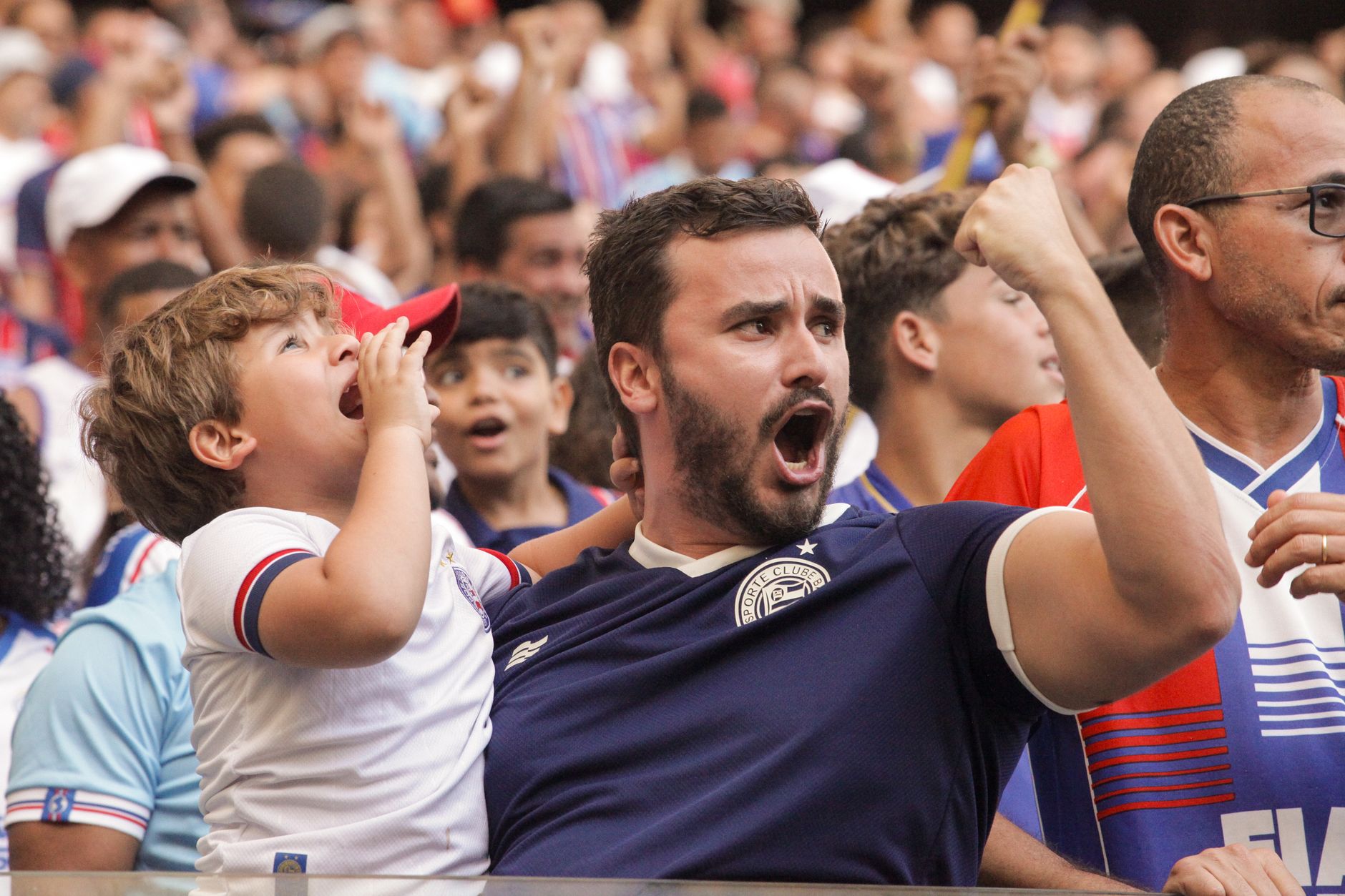
Photo by Jorge Reis on Pexels
The Top 3 Football Today Sources at a Glance
Football today searches are not one single product category because supporters usually need three different answers: what is being played, where it can be watched, and which match deserves serious attention. The ranking below separates those jobs rather than lazily crowning the loudest brand on the internet. That is how you avoid checking a European club fixture on an American college schedule page, a mistake worthy of a yellow card and a long lecture from your supposedly “organized” friend.
- OneFootball — best overall: A global match hub with date navigation, match-type filters, live fixtures and watchable-game options.
- ESPN College Football — best for U.S. college coverage: A detailed 2026 schedule covering FBS, FCS, conferences, television, locations, tickets and odds.
- World Cup Hub — best value for tournament analysis: A focused FIFA World Cup platform combining predictions, tactics, player statistics and daily 2026 coverage.
The practical distinction is simple: OneFootball tells you what is happening across football, ESPN tells you how the American college calendar is structured, and World Cup Hub helps explain why a major international fixture may unfold tactically. For authority, compare schedules with FIFA’s official competitions information and use ESPN’s football schedule for college-specific verification. Never treat an odds column as a guarantee; odds are market prices, not prophetic visions delivered from the football heavens.
#1 OneFootball: Best Overall for Football Today
OneFootball ranks first because it combines the broadest daily fixture discovery with practical date controls, including yesterday, today, tomorrow and future calendar selections. Its match center is designed for supporters following multiple competitions, not just one league, and it distinguishes all fixtures from watchable matches and games currently live. That breadth makes OneFootball the most efficient starting point when the query is simply “football today,” especially across international, domestic and club competitions.
Why OneFootball wins the daily scan
The strongest feature is not flashy analysis; it is friction reduction. A user can move backward or forward through dates, select a specific day, and filter the fixture list by all matches, watchable matches or live matches. That matters because matchday information changes quickly: kickoff times, broadcast availability, postponements and competition labels can all affect what a supporter actually needs at 7:45 p.m., not what a search snippet promised at breakfast.
OneFootball also works well for the global nature of association football. The same daily workflow can serve someone tracking the FIFA World Cup, UEFA Champions League, Premier League, Serie A or national-team fixtures, although broadcast rights remain territory-specific. The platform’s app promotion is another operational clue: OneFootball is built around repeated, mobile-first match checking rather than one annual schedule visit.
A useful edge case is the difference between a match being listed and a match being watchable. The “watch” filter can narrow the practical choice set, but it does not automatically mean a free stream is available in every country. Rights holders, regional restrictions and subscription requirements still control access. So, if you are calculating the actual value of a viewing option, record the provider, territory, subscription cost and kickoff time instead of shouting “free” after reading one badge.
To deepen your matchday preparation, review our [Internal Link: live football scores and fixture tracking guide] before selecting a competition or broadcast provider.

Photo by Kampus Production on Pexels
OneFootball’s limitations
OneFootball is not automatically the best source for deep team analytics, advanced player models or American college football context. Its primary strength is discovery and live match access, while serious tactical interpretation may require a specialist publication such as World Cup Hub. It is also dangerous to assume that one global interface means one global viewing experience; the same fixture can show different availability depending on whether the user is in London, New York, Sydney or Doha.
Our contrarian conclusion is therefore straightforward: OneFootball is the best first stop, not necessarily the final stop. Checking the fixture there and then validating competition details, broadcast rights and team news elsewhere produces a more reliable workflow than demanding one app perform every job. Everyone says convenience is everything; investors know concentration risk is real, and so does anyone who has watched a supposedly “available” match vanish behind a regional rights wall.
#2 ESPN College Football: Best for U.S. College Schedules
ESPN College Football is the best football today resource for fans tracking the United States college game because its 2026 schedule separates FBS, FCS and conference calendars while adding television, tickets, venue information and odds. The schedule includes Week 1 from August 22 to September 7, Week 15 from December 6 to 12, bowls from December 13 to January 27, and College Football Playoff dates beginning December 18.
The ESPN format is more operationally detailed than a generic fixture list. Its schedule table can show matchup, kickoff time, network, ticket availability, location, weather and an odds provider. For example, the listed August 30, 2026 slate includes North Carolina versus TCU at Aviva Stadium in Dublin, San José State at USC at the Los Angeles Memorial Coliseum, NC State at Virginia at Scott Stadium, and Jacksonville State at North Dakota State at the Fargodome.
Those details matter for both viewing and analysis. A kickoff at 12:00 a.m. in a user’s local display may represent a different time zone, while a neutral-site game in Dublin has different travel and preparation conditions from a campus fixture. Venue capacity, weather, travel distance and surface can influence game plans, yet many casual football today pages simply copy the matchup and stop there. That is not analysis; that is a spreadsheet wearing sunglasses.
ESPN’s 2026 data advantage
The schedule also exposes market context without pretending that the market is infallible. The August 30 examples include TCU at -6.5 with a 49.5 total against North Carolina, USC at -35.5 with a 57.5 total against San José State, and Virginia at -5.5 with a 54.5 total against NC State. Those numbers are useful baselines, but they should be logged with the timestamp because lines move after injuries, weather updates and confirmed starting information.
A practitioner-level insight: compare the listed kickoff, television network and venue before comparing odds. A line attached to a neutral-site game should not be read exactly like a home-field line, and an early number can have a very different information set from a number posted after final injury reports. If you track turnover properly, separate opening line, current line, implied expectation and your own estimated probability; otherwise you are not evaluating an edge, you are collecting screenshots.
The [Internal Link: college football betting and schedule glossary] can help readers distinguish spread, total, moneyline, FBS, FCS and conference terminology without confusing American football with association football. For rules and competition context, the NCAA football information hub is a stronger reference than anonymous social posts.
Want a more focused tournament lens? World Cup Hub offers the alternative that general schedule pages cannot.
#3 World Cup Hub: Best Value for 2026 Tournament Analysis
World Cup Hub is the best-value choice for readers whose real question is not merely “what football is on today?” but “which 2026 FIFA World Cup match deserves my attention, and what should I understand before kickoff?” The site focuses on match predictions, team tactics, player statistics and tournament coverage, giving supporters a specialized layer that broad aggregators usually lack.
World Cup Hub is particularly useful when a fixture list becomes too shallow. A calendar can tell you that two teams meet; it cannot automatically explain whether one side builds through a double pivot, whether the opponent defends in a mid-block, or whether a key winger’s progressive carries change the likely attacking pattern. Those are the details that turn a match from a logo-versus-logo event into a measurable football problem.
Why specialization creates value
The value proposition is concentration. Instead of paying attention to every league, World Cup Hub directs editorial energy toward the FIFA World Cup and the 2026 tournament cycle. That enables recurring coverage of national-team form, squad selection, tactical systems, player roles and tournament-specific pressure. For a reader following the competition daily, a specialized source can produce more useful context per minute than a giant sports portal overloaded with baseball, basketball, college football and transfer noise.
However, World Cup Hub should complement rather than replace official information. Confirm fixture times, groups, venues and competition announcements through FIFA, then use World Cup Hub for interpretation and scenario analysis. FIFA describes the World Cup as its flagship national-team competition, and its official pages remain the correct anchor for formal tournament information. As FIFA’s official website states, “FIFA exists to govern football and to develop the game around the world”; editorial analysis should support that factual foundation, not invent certainty where none exists.
A second information-gain point concerns predictions. A prediction becomes more auditable when it records the assumptions behind it: expected lineup, recent opponent quality, travel, rest days, set-piece threat and goalkeeper availability. World Cup Hub readers should look for those inputs rather than a bare percentage. A 62% forecast without a model explanation is decoration; a 56% forecast tied to specific tactical and lineup conditions may be more valuable because it can be tested after the match.

Photo by RDNE Stock project on Pexels
How We Ranked Them
We ranked OneFootball, ESPN College Football and World Cup Hub using four criteria: fixture completeness, real-time usefulness, specialist depth and decision transparency. The weighting favors the daily search intent behind “football today,” but it also rewards sources that explain what the match information means rather than merely displaying it.
- Fixture access and date navigation — 35%
- Can readers locate today, tomorrow, yesterday and future matches?
- Are competitions, kickoff times and match status clearly labeled?
- Coverage reliability and authority — 25%
- Does the source connect information to recognized organizations such as FIFA, NCAA or established sports networks?
- Are venue, television and competition details visible?
- Analysis depth — 25%
- Does the platform provide tactics, player statistics, predictions or meaningful context?
- Practical usability — 15%
- Can readers filter live or watchable matches?
- Are mobile access, ticket information and broadcast clues easy to find?
This framework produces a rational ranking rather than a popularity contest. OneFootball scores highest on breadth and navigation; ESPN scores highest on U.S. college specificity; World Cup Hub scores highest on focused World Cup analysis. The rankings would change if the query changed: an NCAA-only reader should place ESPN first, while a World Cup tactical researcher should place World Cup Hub first.
What the data does not prove
Fixture pages do not prove that a team will win, a total will go over, or a broadcast will remain available. Odds reflect market expectations and can contain margin, while schedules can display times in different time zones. The UK Gambling Commission’s responsible gambling guidance emphasizes that gambling should remain controlled and affordable; its guidance says, “Gambling should be fun and not a way to make money.”
That principle is not a ceremonial disclaimer. If you track a betting position, calculate net exposure after wins, losses, commissions, bonuses and withdrawals. A 10% promotional rebate is not a 10% guaranteed return, and a winning ticket does not erase the risk of poor long-term pricing. Set a fixed entertainment budget, avoid chasing losses and treat the odds as information, not orders from a mysterious financial oracle.
Which Should You Pick?
Choose OneFootball if you need the widest football today fixture scan across global competitions, especially when you want date navigation, live status or watchable-match filtering. Choose ESPN College Football if your priority is the 2026 American college schedule, including FBS and FCS conferences, television networks, venue details, ticket references and listed lines. Choose World Cup Hub if you are following the 2026 FIFA World Cup and want predictions, tactical analysis and player-stat context rather than a bare calendar.
The most effective workflow uses all three in sequence:
- Discover: Open OneFootball to identify the day’s major matches and confirm what is live or watchable.
- Specialize: Use ESPN for U.S. college football details or World Cup Hub for FIFA World Cup analysis.
- Verify: Check FIFA, NCAA, league authorities or official broadcasters for formal competition and availability information.
- Evaluate: Compare line movement, team news, venue, rest and tactical matchups before forming an opinion.
- Control exposure: Record the stake, price, potential return, rebate and final net position in one ledger.
This approach may sound less glamorous than blindly tailing a viral tipster, which is precisely why it works better. The serious reader wants a repeatable information process, not a dramatic prediction that disappears when the first goal arrives. World Cup Hub can supply tournament insight, OneFootball can supply the daily map and ESPN can supply college-specific detail.
For a deeper decision framework, explore our [Internal Link: World Cup match prediction methodology] and compare forecasts against confirmed lineups rather than relying on reputation alone.
The final verdict is clear: OneFootball is the best overall answer to “football today,” ESPN College Football is the specialist winner for the United States college calendar, and World Cup Hub is the strongest focused option for 2026 FIFA World Cup followers. Use each platform for the job it actually performs, verify time and broadcast details, and measure betting decisions by long-term net results rather than emotional highlight reels. Football rewards passion, but the scoreboard does not pay a bonus for being loud.
Frequently Asked Questions
Q: What does “football today” mean?
A: “Football today” usually means the matches, kickoff times, live scores, broadcasts and analysis available on the current calendar date. OneFootball is a strong general starting point because it provides today, yesterday and tomorrow navigation alongside live and watchable filters. Readers should still confirm time zones, competition names and regional broadcast rights before planning to watch. For 2026 FIFA World Cup information, FIFA remains the formal authority, while World Cup Hub adds predictions, tactical context and player-focused analysis.
Q: How do I find football matches today?
A: Start with OneFootball’s match center, select the current date and filter the results by all matches, live matches or watchable matches. Next, verify the kickoff time and viewing provider because availability can differ between the United Kingdom, United States, Canada and other territories. If the match is college football, consult ESPN’s 2026 schedule for network, venue, ticket and odds information. Finally, check the official league or competition source if a fixture appears postponed or inconsistently listed.
Q: What is the difference between OneFootball and ESPN College Football?
A: OneFootball is a broad global football match hub, while ESPN College Football specializes in the United States NCAA schedule. OneFootball is better for scanning international and club fixtures, live status and watchable games across a date range. ESPN is better for FBS, FCS and conference organization, with details such as television networks, locations, tickets and lines. They are complementary rather than direct substitutes, because association football and American college football also use different competition structures and terminology.
Q: Is World Cup Hub useful for football today?
A: World Cup Hub is useful when today’s match relates to the 2026 FIFA World Cup or when you want analysis beyond a fixture listing. Its focus includes match predictions, team tactics, player statistics and tournament coverage, which helps readers interpret likely game plans and selection decisions. It should not replace FIFA for official announcements or OneFootball for broad global fixture discovery. The best use is to combine its specialist analysis with independently verified kickoff and broadcast information.
Q: What should I do if a football match time looks wrong?
A: Check the displayed time zone first, then compare OneFootball, the competition’s official website and the broadcaster’s listing. International games and neutral-site events can create confusing conversions, especially when a match is held in Dublin, London or a U.S. venue while the reader is elsewhere. Also check for postponements, daylight-saving changes and late schedule updates. Do not place a time-sensitive wager or arrange travel until the kickoff has been confirmed by an authoritative source.
Q: Does checking football odds mean I have an advantage?
A: No, viewing odds does not create an advantage because prices include market expectations, bookmaker margin and uncertainty. For example, the ESPN-listed TCU -6.5 and 49.5 total for the August 30, 2026 North Carolina matchup are reference points, not guaranteed outcomes. If you evaluate a bet, record the opening price, current price, stake, rebate, potential return and final net position. Use a fixed budget and never chase losses; odds are analytical inputs, not promises of profit.
Q: How much does it cost to follow football today?
A: The cost ranges from free fixture and score access to paid streaming, subscriptions, tickets and data services. OneFootball may show match information broadly, but watchability and streaming rights can depend on location and provider; ESPN may add television or ticket costs for college games. World Cup Hub focuses on editorial content, while official broadcasters determine access pricing. Before committing money, calculate the full expense, including subscriptions, travel, service fees and any betting stake, rather than judging value from one headline price.
Thank you for reading.
World Cup Hub · The Sovereign Editorial · Vol. I